
Introduction
Ever been in a room and wanted the lights to turn on automatically? Or to imagine being able to manage your home from your smart phone? Cool home automation does just that. Smart home technology is becoming a reality. It’s a viable and inexpensive fact of life that many householders are moving into today.
You’ll find the top home automation options in this guide. You will discover how to begin, what devices are key, and how to create a system that will really make your life easier. This article has something for everyone, from the absolute beginner to the more advanced smart device user.
What is Cool Home Automation? And why is it important?
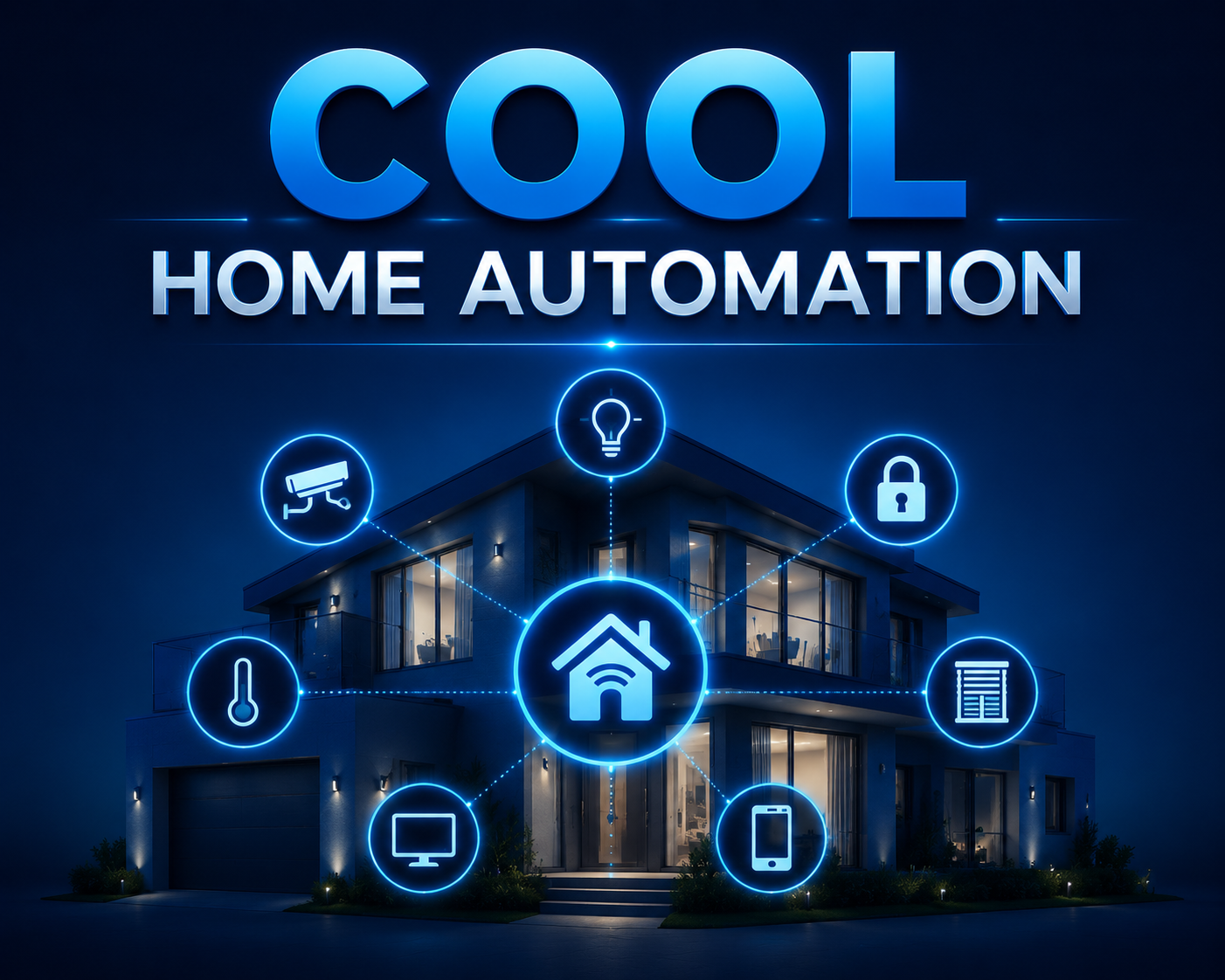
Home automation is the application of technology to make your home automated or controlled remotely. This includes lighting, security, climate, entertainment, appliances and more. The aim of the game is to make everyday tasks easier, conserve energy and make them comfortable.
Smart home technology is on the rise. The global smart home market should reach a value of more than USD 170 billion by 2025, according to industry forecasts. People are clearly finding some value in these systems, since that’s how their growth is.
However, convenience isn’t the only reason cool home automation is important. It also delivers:
- Energy savings — Smart thermostats and lighting save a lot of electricity.
- More secure — Smart cameras, locks and sensors make your home safer.
- More comfort — automatic routines adjust your lifestyle.
- Home Value: Homeowners nowadays are now including smart home features as a plus when selling.
The best part? Don’t worry, you don’t have to automate everything right away. It’s possible to do it gradually, beginning small and working up.
The Best Smart Home Automations You Can Set Up Today
Let’s examine the most popular and most effective homeowner automations. These are proven and effective configurations that work.
Smart Lighting: It’s the Cool Home Automation Foundation
It’s the easiest place to begin: lighting. Smart bulbs and switches enable voice, phone, and pre-programmed control of lights.
These are some of the top smart lighting automation:
Sunrise simulation — Your bedroom lights slowly turn on in the morning, simulating sunrise. This is a milder and more effective method of waking up than getting a loud alarm.
Hallway lighting that activates on movement – Lights come on automatically when there is a motion at night in the hallway. Say goodbye to dark nights and switch hunting.
Away mode — Lights automatically shut off when you’re gone. In some systems, even a random switching of lights on and off is emulated to scare off attackers.
Movie Mode: One touch dims, blinds and activates TV. It creates the ideal ambience with no single switch pressed.
Common name brands include Philips Hue, LIFX and Lutron Caseta. Amazon Alexa, Google Home and Apple HomeKit are most commonly used.
Smart Thermostats: Smarter Climate Control
Installing a smart thermostat is one of the best home automation investments to make. Over time, devices such as the Google Nest Thermostat and Ecobee get to know your habits and routine. They automatically regulate temperature to make you feel comfortable and save energy.
Key automations to set up:
- Geofencing — When the thermostat senses that you are outside the home, it decreases the heating or cooling. On the return journey it even adjusts the temperature to ensure your home is comfortable on your arrival.
- Sleep mode — At night, the temperature decreases a little, which is helpful for a better sleep.
- Away schedule — When nobody is at home during the day the system doesn’t heat or cool an empty house.
Smart thermostats have been proven to reduce heating and cooling expenses by 10% to 15% per year. That can add up to sizable savings over time.
Home Security Automation: Peace of Mind on Autopilot
Security is one of the most potent uses of cool home automation. Today’s smart security systems are more than an alarm. They provide live monitoring and control of your home’s security.
The best smart home automations for security include:
Smart doorbell cameras: With the help of Ring and Nest Doorbell, you can view and communicate with visitors from anywhere in the world. You are alerted as soon as someone comes to your door.
Smart locks — No need to carry keys. The door can be unlocked using a code, fingerprint or your smartphone. Widgets can also be set up to grant temporary access to guests or delivery staff and denied access at any time.
Indoor and outdoor cameras — Motion triggered cameras record and alert you when they sense an unusual activity. There are many systems that store footage in the cloud for easy review.
Automated lock routines — Automatically lock your doors at a particular time every day. You will never end up lying awake at night, thinking to yourself, “Did I remember to lock the front door?
Alarm integration — Smart alarms can alert your phone, siren and emergency services at the same time.
Security automation is a tool that allows you to control security even when you’re away. That is a real blessing and can’t be bought.
Smart Plugs and Appliances: Automate the Ordinary
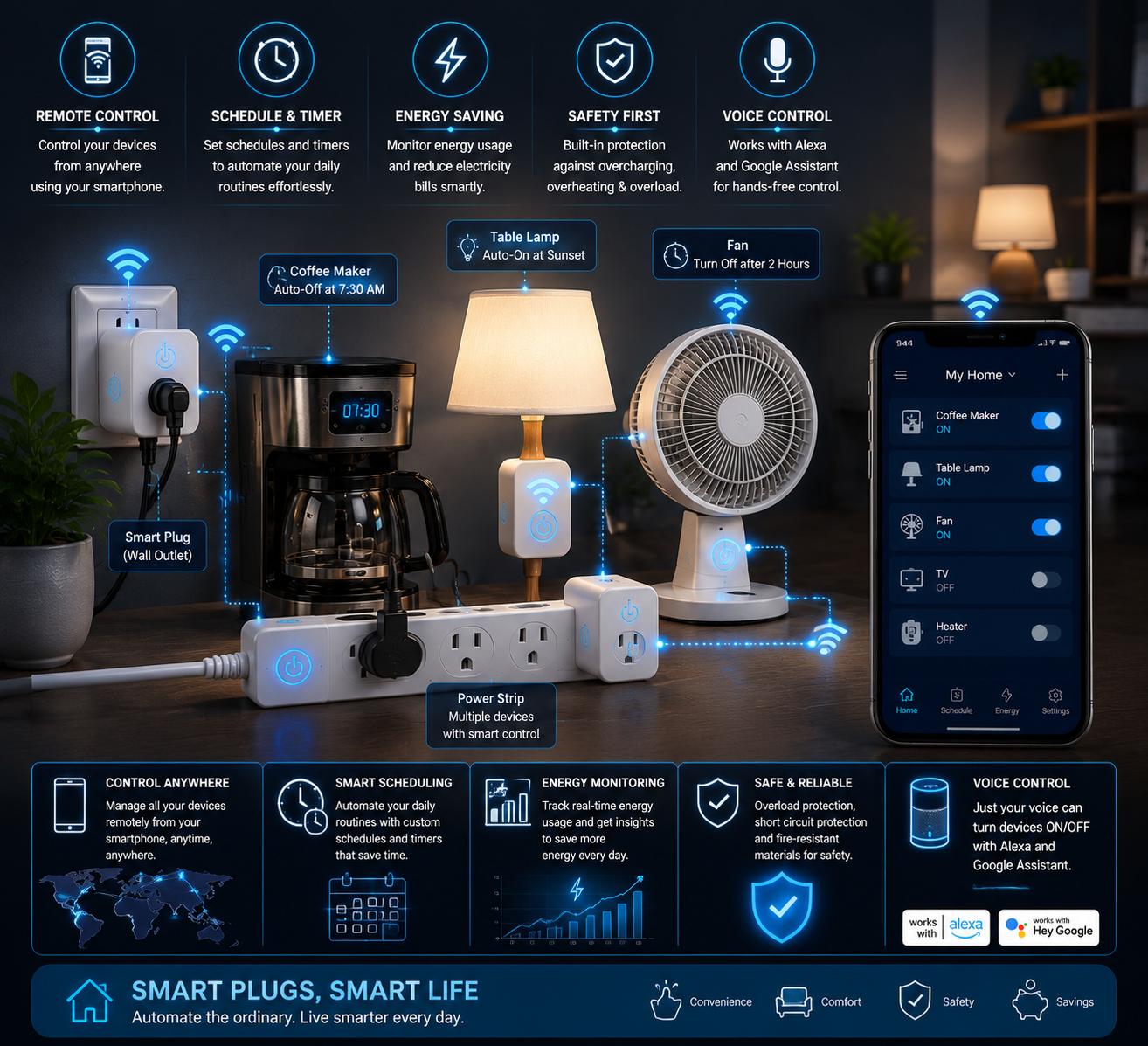
Cool Home Automation doesn’t require you to replace all your appliances. Smart plugs are low-cost, light-weight gadgets that connect to any standard electrical outlet and provide smart features to any appliance.
Here are some clever uses:
- Coffee maker automation — Your coffee automatically brews before your alarm rings.
- Energy monitoring – Smart plugs can be used to monitor the amount of energy consumed by each device, and help you identify the energy hogs.
- Vacation mode — Shut off appliances that you might have left on before heading out for vacation.
- TV and entertainment control — Set time for TV to turn off after a certain period of time so you don’t fall asleep with it on all night.
In addition to smart plugs, more and more smart appliances are available. Smart washing machines, fridges, ovens and robot vacuum cleaners are available for integration into your home automation system.
Voice Assistants: The Brain Behind Cool Home Automation
A voice assistant is an essential part of any smart home solution. These are all connected through the central hub of Amazon Alexa, Google Assistant, and Apple Siri.
With a voice assistant, you can:
- Now you can control multiple devices at the same time by issuing a single command.
- Make up new routines that can be performed multiple actions at once
- Get a daily briefing including weather, news and calendar
- Ask and receive instant responses
Example of a powerful morning routine:
“Alexa, good morning.”
With a single command, you can turn on the kitchen light, start the coffee maker, read your appointments on the calendar, play your favorite news podcast and raise the thermostat — all at once.
Voice control is the way that enables the home to respond by transforming it into a true “responsive living space. One of the richest features of cool home automation.
How to Build Your Smart Home Step by Step
Implementing home automation projects can be daunting. But if you can divide it up into steps, then it is very easy and manageable.
The first step is to select your Ecosystem.
Then, you should determine the platform you’ll use. The three choices are:
- Google Assistant — Extremely powerful, widely used, highly compatible.
- Google Home — Great Search integration, and natural language understanding.
- Android Auto — Good for Android phone owners, with a medium level of privacy.
Choose one and then remain consistent. Combination of ecosystems may result in problems of compatibility.
For Step 2, begin using high-impact devices. For Step 2, use high impact devices.
Don’t automate everything all in one go. Begin with devices that have an immediate impact on your daily life:
- A smart speaker or display (your voice assistant hub)
- Smart thermostat
- Smart lighting for critical areas.
- Smart security video camera or doorbell
The four categories will put your home right into a smarter and more responsive environment.
Create Routines and Automations.
The magic starts now that they are set up, and when you connect the devices to each other. Make routines on your platform’s app. A routine is a sequence of actions that are executed in response to one of the commands, the schedule, or one of the sensor events.
Start simple. Build confidence. Then slowly start adding more complex automations as you discover what works for you.
Step 4: Expand Gradually
As you become comfortable, add more devices. Install smart blinds, irrigation controllers, garage door openers or whole home audio. The additions link your home together and will make it more convenient.
Cool Home Automation for Different Lifestyles
One of the best aspects of smart home technology is its versatility. It is used in various ways by different people.
If the family’s busy — The appliances for breakfast get started, children are automatically awakened, and the front door locks itself after everyone has left.
For remote workers — Smart lighting and temperature schedules assure a productive working environment during work time and a comfortable one at night.
Voice control is helpful for seniors or people with mobility issues — reduce the effort involved in managing lights, locks and appliances.
For renters — Smart devices for plug-in and battery-powered sensors are not permanent, enabling automation in any rental home.
For those who want to be green — Energy monitoring and automated scheduling will minimize waste and decrease your carbon footprint.
Key errors to prevent in home automation.
The smartest home automation systems can fall short if you make a few of these common mistakes.
Purchasing incompatible devices — Always check whether the new devices are compatible with your ecosystem before buying.
Rushing to over-automation — If the devices are added too quickly, it will cause confusion and frustration. Take your time.
No attention to network security – Smart devices are connected to your Wi-Fi creating possible security gaps. Use robust passwords, use two factor authentication and ensure the firmware is kept up to date.
Not testing routine — Test automations as soon as they’ve been created. If a routine doesn’t behave as it should, it can be more of a nuisance than of any benefit.
Forgeting about your Internet connection — Smart home devices depend on a secure Web connection. Before installing additional devices, try to upgrade the strength of your wireless network by purchasing a more capable router or a mesh network.
The Future of Cool Home Automation
Home automation is rapidly changing. Here’s a preview of what the future holds in store.
Matter protocol — A brand-new universal smart home standard that facilitates smooth interoperability of different brands. Eliminates some of the compatibility hassles that users have experienced in the past.
AI personalization – Future systems will be more attuned to your habits and adjust automatically for you more intelligently.
Energy grid integration — Smart homes will be able to directly communicate with the energy provider to utilise energy during off-peak periods, which will lower bills and help stabilise the grid.
Health monitoring integration — Smart homes will become more integrated with health monitoring, such as air quality, sleep and activity monitoring to support wellbeing.
Cool home automation of the future is exciting. This technology is just the beginning of today.
Conclusion: Start Your Cool Home Automation Journey Today
One of the most satisfying things you can do to your home is to get cool home automation. It’s energy-efficient, more secure, more convenient and just a lot more fun. The ideal smart home automation features are those that operate in the background, ensuring your home adapts to your needs without your active involvement.
No special equipment or a lot of money is required to get going. To start, use a smart speaker and one or two smart devices. Make an easy routine. See how different it is by trying it yourself.
You’ll find yourself wondering how you lived without it, once you realize how much easier everyday life is going to be. The smart home revolution has already taken place. Time to get on board!