
Introduction
Almost everyone desires good health but not many people actually have a concrete understanding of it. A common belief among many is that wellness is simply the absence of illness. So this is my first post regarding the new definition of a good health :But defining good health is much more than being free from illness or disease. This cover encompasses your body, mind, emotions and even social life. You are experiencing good health truly when all these areas work in harmony with one another.
In this article we will explore what good health is, why it matters, how to get that day in and day out. Based on if you want to improve your way of life or just want to know more about the concept. This guide will provide clear and practical answers.
The Good Health Definition: A Healthy Body is Not Enough
The definition of good health is one, that you must be familiar with in order to understand what good health is. According to the World Health Organization (WHO), “Health is a state of complete physical, mental, and social well-being and not merely the absence of disease or infirmity.” This definition was written in 1948, and is still the most accepted definition of good health worldwide today.
This definition teaches us a very significant concept. Health is not a destination. It is a dynamic state. That varies depending on your setting, your habits and conditions in life. So you can be perfectly fit, but emotionally broken. You can be cognitively sound and yet, socially lonely. Genuine health is where balance exists across all aspects of life.
Think of it this way. Think of your health as a table with multiple legs. A weak leg causes the table to wobble. This is what happens when you ignore one side of your health while only addressing another.
The Physical Health — The Base Of What Healthy Means To You
When we say health, the first thing that comes in mind is physical health. It talks about physical fitness which is how well your body is functioning. A person who is physically healthy has enough energy to do work every day, sleeps well at night, maintains a normal weight, and are free from disease.
The physical health are the some of the core pillars:
Stick to a Routine of Regular Exercise: It has been said that movement is life and the heart, muscles and joints will benefit from this. There is no need to run marathons! Thirty minutes of walking a day is still quite impactful.
Go for Balanced Nutrition — What you eat affects your body system directly. The fuel your body needs is provided by a diet high in fruits, vegetables, whole grains and lean proteins. Conversely, processed foods, excessive sugar and poor fats can cause chronic disease.
Adequate Sleep: 7 to 9 hours of sleep is required for majority of adults per night. Sleep helps your body repairs itself, boost immune function and improve brain performance.
Preventative Treatment: It’s about staying healthy by catching small problems before they become something huge–such as a regular check up with your doctor, vaccinations and screenings like mammograms and colonoscopies. It is said that Prevention is better than cure.
However, physical health is the cornerstone of it! When the tongue is not well it becomes increasingly difficult to perform every other manifestations of wellbeing. But the body cannot tell the whole story.
The Mind and What Good Health Is Actually
Mental Health matters too! But boy, do they bury the lede. Good mental health is about your ability to think clearly, cope with stress, make decisions and generally live life on life’s terms.
Description: Mental illness is not always easy to spot! Outwardly, a person may seem okay while struggling on the inside. Mental health challenges, ranging from anxiety and depression to burnout and chronic stress, affect millions around the world.
So this is how good mental health actually looks:
- You have purpose and a meaning in your life.
- You can allow failure to affect you without crumbling.
- You maintain healthy relationships.
- You know when you need help.
- You cope with stress in a healthy manner.
Mental health correlates with physical health directly. When you are under stress or anxiety, your body releases a stress hormone called cortisol and this can cause hypertension, sleeping issues and reduction of immune protection. Hence, nourishing your mind is direct nourishment to the body as well.
Simple practices such as meditation, journaling, therapy and just talking in person with a trusted friend work wonders for mental balance.
Your Health Well – Being Guide : Part 1 Emotional Well-Being
Mental health is heavily intertwined with emotional well-being, but I think it deserves a separate conversation. Your emotional health refers to the way that you think, feel and act in a way that can affect your psychological condition. It is adversely part of health well-being that influences each collaboration, and choice you make.
Those who have adequate emotional health are not persons who never experience sadness, anger or frustrations. They are in fact people who recognize those feeling and process them in healthy ways. Not suppressing emotion, nor being controlled by it.
List of loving and healthy emotional wellness:
- You can recognize and label your emotions.
- You just put feelings out there without hitting other people.
- You may get emotionally hurt, but you take the time to recover.
- You care about and for others.
- You create boundaries in relationships.
Emotional intelligence, the ability to identify and detect your own emotions as well as recognize those same emotions among others, is key to good health overall. Studies show an undeniable correlation between emotional intelligence and relationships; in fact, those with higher emotional intelligence tend to have healthier ones, less stress and even live longer.
The Missing Dimension of What Good Health Is: Social Health
Humans are social beings. We are wired for connection. Social health has to do with how well you interact with others and the natural social support systems you set up. An aspect of good health that is not discussed often at all, and yet is the most fundamental one.
Recent reports have branded loneliness an epidemic of our times. Research indicates that chronic loneliness poses a considerable risk factor for heart disease, stroke, depression, and early death. Conversely, having social ties protects not only your life expectancy but also the functioning of your immune system and makes you happier.
As you are aware, then good social health is not the same as having many friends. This signifies being in true relations with a few people that are built through trust, respect, and care. It also means being able to give back to your community and feel a part of it.
This can be done in a variety of ways:
- Managing time around those who raise you.
- Participating in clubs, community groups, or volunteer organizations.
- Being an active listener in your conversations.
- Not being distracted when in social settings.
- Yes: Reaching out to an acquaintance you have not spoken with for a while
Social connection is a necessity, not a luxury. It is a basic human need. When you incorporate it as part of your definition of good health, it shifts the entire narrative in how you treat your well-being.
Spirit: A sense of meaning and purpose
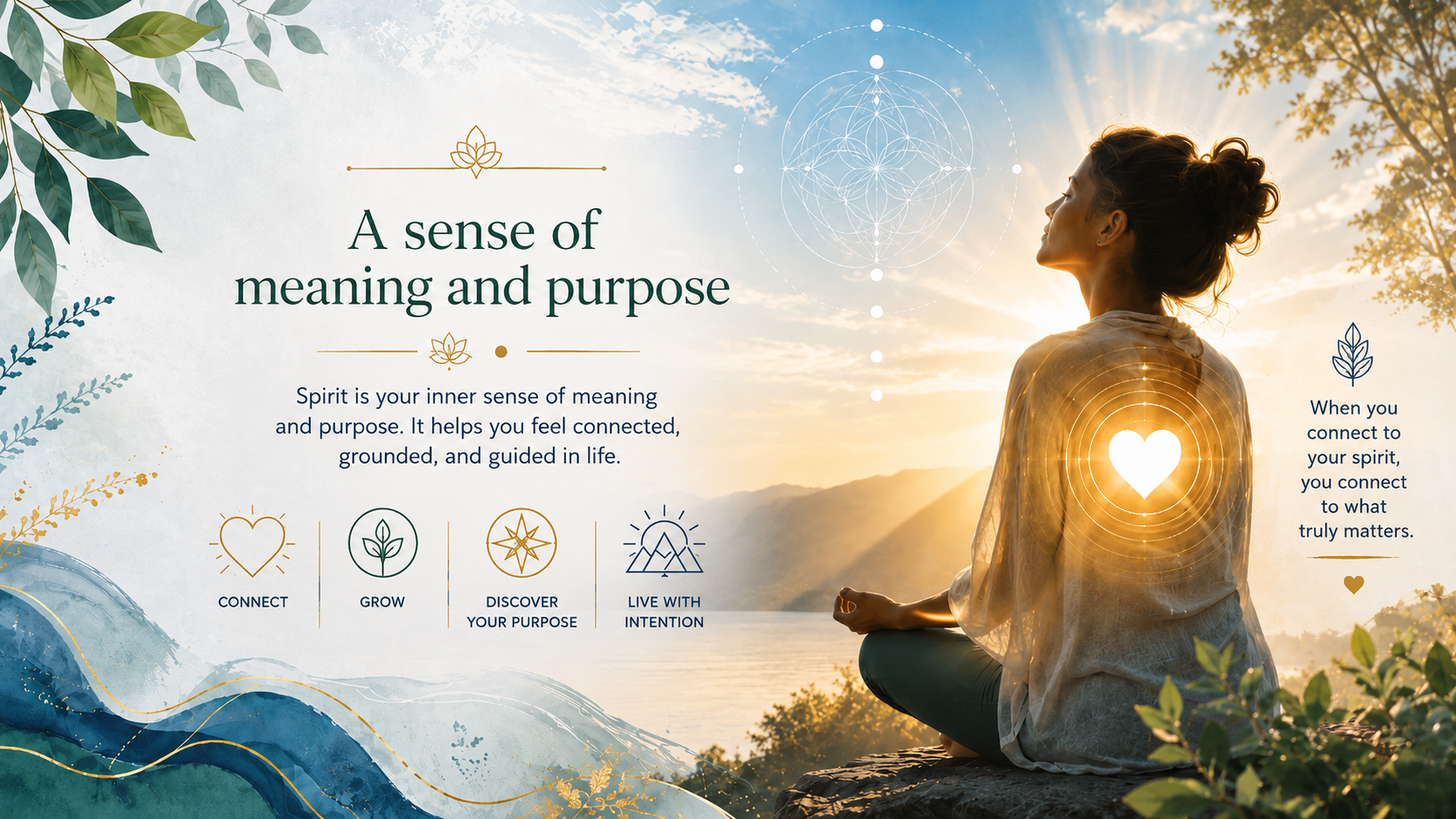
Spiritual health does not refer to religion, but for some it is. Spiritual Well-being means having a sense of purpose, meaning and direction in your life. It is about knowing your values and living them.
You have heard that people with the sense of purpose are more likely to withstand adverse conditions. They recover quickly from sickness, loss and failure. They also report increased levels of overall life satisfaction.
Ways to nurture your spiritual health:
- Spending time in nature.
- Practicing gratitude regularly.
- Taking time to reflect on your values and life goals.
- Doing good acts or service.
- Meditation, prayer and mindfulness practices.
Spiritual health ties everything together. It also allows a deeper sense of purpose to the other dimensions of health.
So all dimensions work together in providing good health well being.
You are trained for what you call good health well being, but when you see all the dimensions of health, you know that it is not about the perfect one. It is about the balance of everything together. The interaction between Health is multi-dimensionalPhysical, mentally, emotionally, socially and spiritual health influence the other.
Regular exercise, for instance, promotes the secretion of endorphins in order to enhance mood thus lessening anxiety as well as depression. Various studies prov to realize that improved Mental Health makes better food choices. Social connections stronger reduce stress hormones. A close sense of purpose motivates healthier behaviors. Everything is connected.
This perspective of interconnectedness in health is termed “holistic” at times. It sees the person as a whole, not just the body. You no longer look for quick fixes but make decisions that are actually in line with your whole system well-being.
The Misunderstandings Around What Good Health Is
Health myths are all over the place and some can take people for a spin in the wrong direction. Here are some of the most typical:
Myth 1: Thin = Healthy Health does not necessarily correspond with body size. There are many contributing factors to body weight; genetics, hormones, and lifestyle are all leading contributors. Even someone who is slim can be unhealthy cardiovascular-wise and stressed or a total emotional wreck.
Myth 2: You never get sick when you are healthy Everyone gets sick sometimes. Strong immunity responds well to illness, however, it is not going to protect you against every virus or bacteria. Getting occasional colds is normal.
MYTH 3 — HEALTH IS JUST DIETARY AND EXERCISE As you saw in this article, health is multifaceted: mental, emotional, social and spiritual. While diet and exercise are two pieces of the puzzle, they aren’t everything.
Clarifiers myth #4: Extreme health — you either have it or not. Health exists on a spectrum. It is not black and white. Wherever you are on your journey, you can always do something to look after yourself better.
Awareness of these relates helps you navigate health in a more realistic and compassionate way; of yourself and others.
Practical Steps to Find out what Good Health Is Practically in Your Life
Having a good health definition is one thing. Living it is another. These are practical evidence-based measures you can put to practice today:
Start small. You must change everything in your life overnight. Focus on improving one habit at a time per week. Long-lasting results come from small and simple changes over time.
Move your body daily. Even a short walk counts. Have an activity you love to do and build it into your everyday life.
For the most part, eat whole foods. You will not eat perfect. Strive for balance, not perfection Aim to fill half of your plate with vegetables and fruits at every meal.
Prioritize sleep. Establish a regular sleep schedule. No screens at least an hour before bed. Optimize your bedroom for sleep by making it dark, cool, and quiet.
Connect with others. Make time for meaningful conversations. Set the phone aside during mealtime. Call someone you care about.
Manage stress actively. Identify your stress triggers. Do deep breathing, write it down or keep calm whichever you feel like doing.
Seek professional help when needed. There is no shame in going to see a doctor, therapist, or counselor. It is not a weakness but rather a strength to ask for help.
Practice gratitude. List 3 things you are grateful for each day This straightforward habit has been proven to enhance mood, alleviate stress, and promote well-being.
Why It is Important To Know What Good Health Is
Your knowledge about what good health is — broad, balanced, and realistic — makes you capable of deciding better. It helps you locate where to invest your time and energy. And, it — so those are a few aspects when you struggle with feeling compassionate and also helping be more kind to yourself.
When communities and societies know what the good health is, they create better systems. They invest in mental health services, build opportunities for social interaction and design cities that promote physical exercise. It changes health from being an individual responsibility to a collective one.
Conclusion: Good Health — A Meaningful Life
In short, good well-being cannot be measured by the figure on a scale or the result of any blood test. It’s a deep, multifaceted state of well-being that incorporates your body, your mind, your soul (yes), and even your connection with others and meaning.
This is well reflected in the good well-being definition from WHO: well-being is a state of complete physical, mental, and social well-being. In other words, when you strive for good well-being in all its dimensions, you are not just preventing illness. You are determining to have a full life, dependent on the connection with Him and thriving in all aspects of your life.
Start where you are. Use what you have. Make one better choice today. Because every step towards good health, is a stepping stone to more meaningful, energetic and fulfilling life.